Grinnell College Logo

HIS 295, Professor Sarah J. Purcell

Category: Final Projects (Page 2 of 2)

Cartooning the Elections

Humor has always found its way into elections, especially in the context of the most recent presidential elections. Perhaps one of the most effective ways humor has been used consistently over time in elections has been through political cartoons. 

These pieces of political art allow for both humor as well as commentary, important in especially hotly contested presidential elections. Over time, these cartoons have obviously evolved, particularly due to the rise of social media use, but their usage throughout the various elections remains constant. From Lincoln to Trump, cartoons have acted as a means to engage with the public during presidential elections.

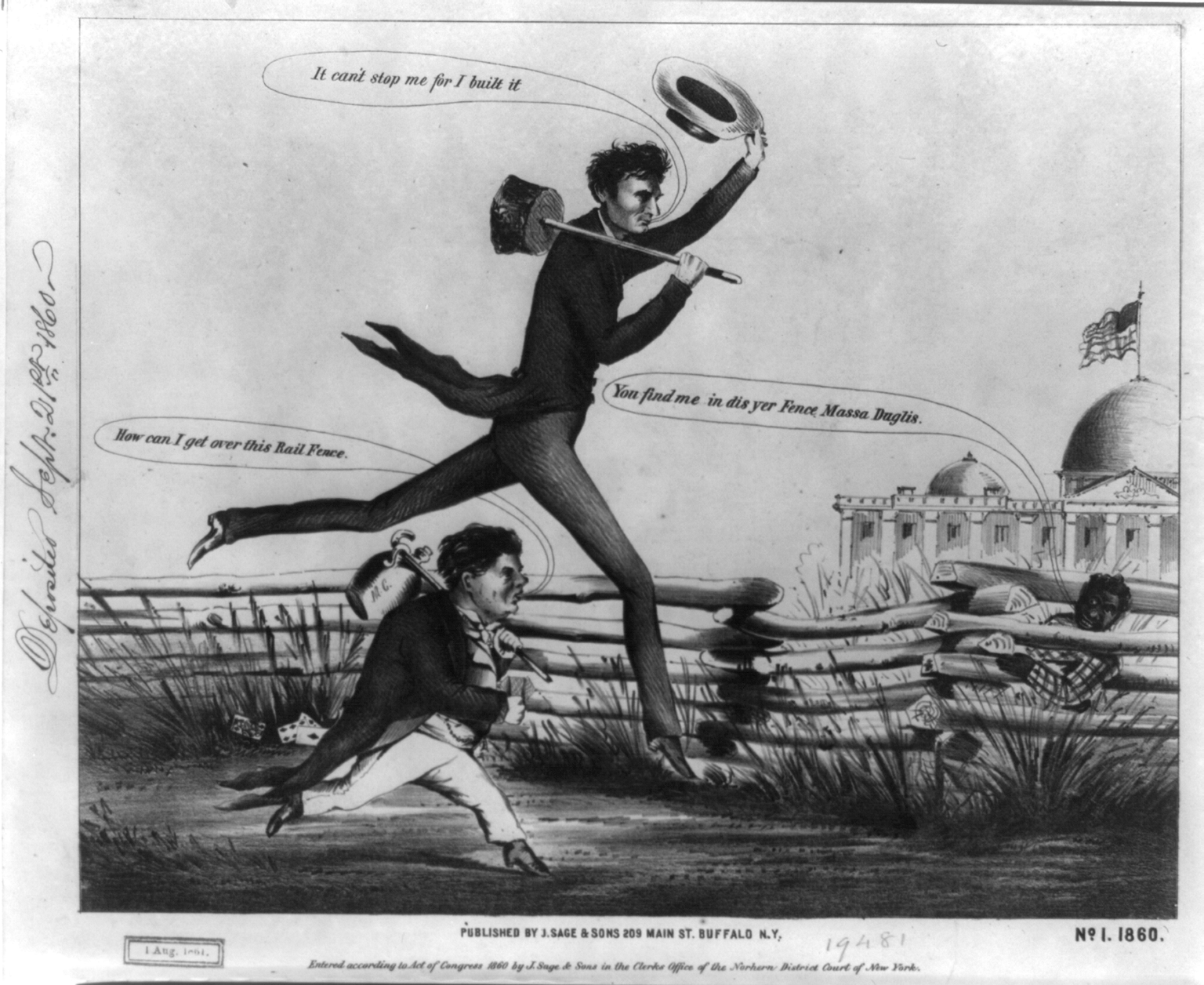
In this cartoon, Lincoln and Douglas are literally racing to the White House. Lincoln’s taller figure rivals Douglas’ tiny one, clearly making faster and longer strides to win the presidency much quicker than Douglas. The third figure in this photo is an enslaved person, evident by his use of “Massa Duglis” inside his speech bubble. This enslaved individual signifies the contention in the 1860 election surrounding slavery.

[Lincoln & Douglas in a presidential footrace]. No. 1, 1860


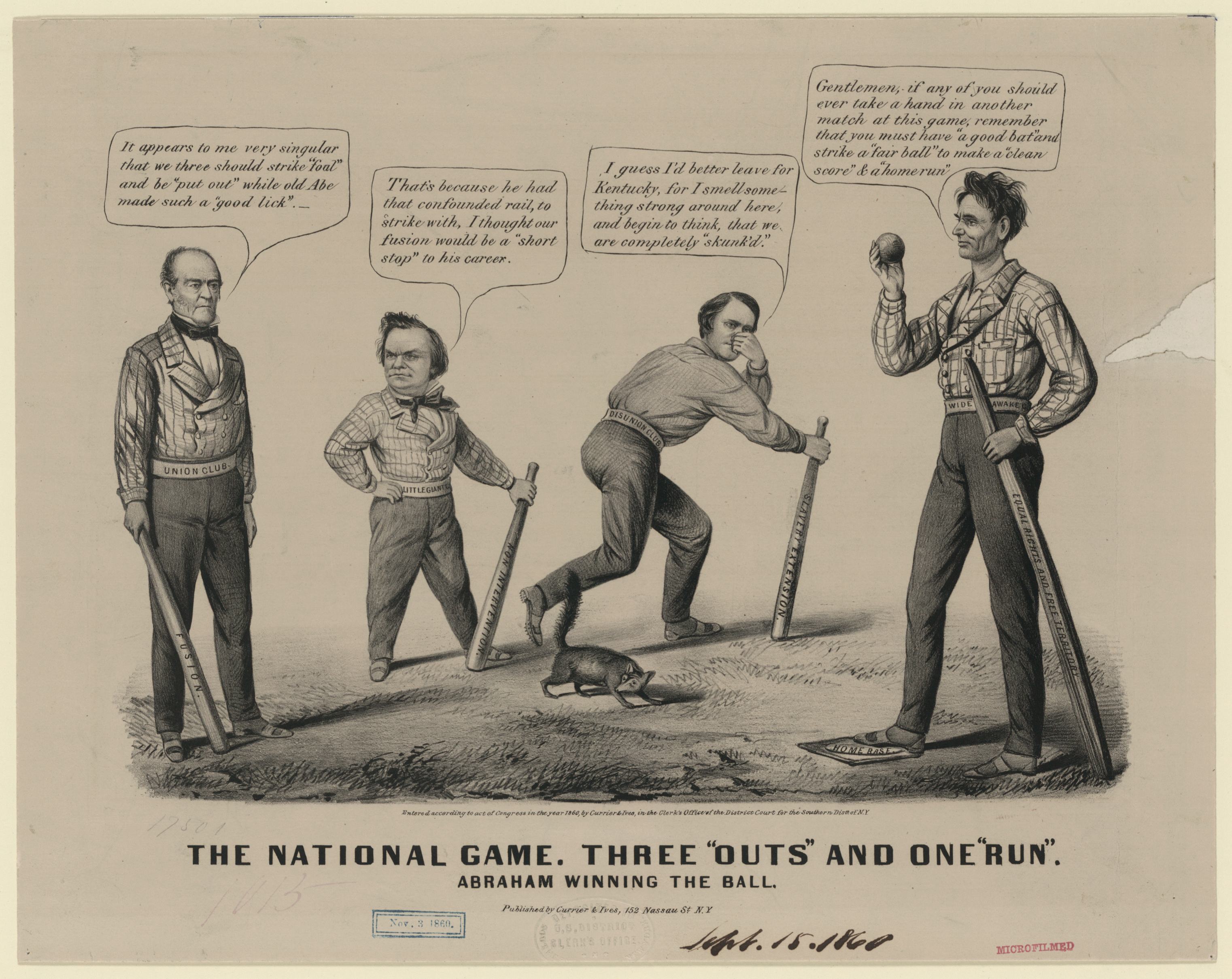
This cartoon includes all of the candidates from the 1860 election, including Stephen Douglas, John C. Breckenridge, John Bell, and Abraham Lincoln. Each candidate has much to say about the results of the election, but Lincoln seemingly flaunts his win as he ‘wins the ball’ as well as the election.​​

“The national game. Three ‘outs’ and one ‘run'”, 1860

In terms of more modern day cartoons, this work from the 2020 election depicts Trump standing near two gravestones, one that says 200,000+ COVID-19 Deaths and the other says Peaceful Transition of Power. 

The gravestones act as a clear reference to President Trump’s claims that President Biden’s win was a fraud as well as the enormous number of people who lost their lives during the pandemic. On top of an already deadly pandemic, President Trump stands near the grave of the newly dead ‘Peaceful Transition of Power’, a keystone of American democracy which was killed during the 2020 election when Trump rejected the results of the election.

In another cartoon, both candidates Trump and Biden look less than ideal in their boxing uniforms, awaiting for one of their arms to be lifted victoriously by annoyed looking Uncle Sam.

The more modern cartoons use less wording, relying more heavily on images to produce their point  rather than speech bubbles. This is made easier through image-centric social media, where wordy things are less likely to be engaged with by audiences. Cartoons and images such as these also easier to be circulated on these different platforms. While these cartoons are in fact different, the fact that they have maintained a popular medium for hundreds of years is testament to their effectiveness in engaging the public in presidential campaigns.


Is Twinning Winning?

Portrait of President-elect Donald Trump, 2016

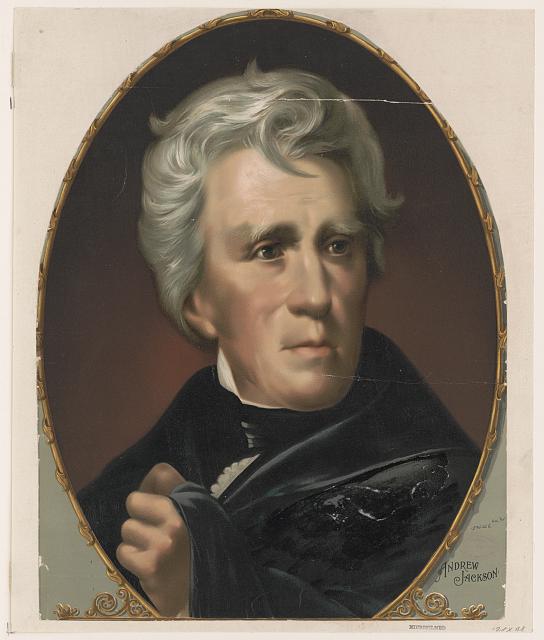
Andrew Jackson, c1896


In 2017, President Donald Trump compared himself to Andrew Jackson, citing that many people have told him that they have had similar elections. But what made them so similar that the president felt the need to equate them during his visit to Tennessee? How similar are the two really? 

In the election of 1824, Andrew Jackson had won the popular vote and the most electoral college votes, but still ending up losing the presidency to John Quincy Adams. Jackson had the most electoral votes just not the majority, so the outcome of the election was up to the House of Representatives.This is similar to the way in which Hillary Clinton won the popular vote in 2016, but lost the electoral college vote to Donald Trump, ending with her losing the election because of this. 

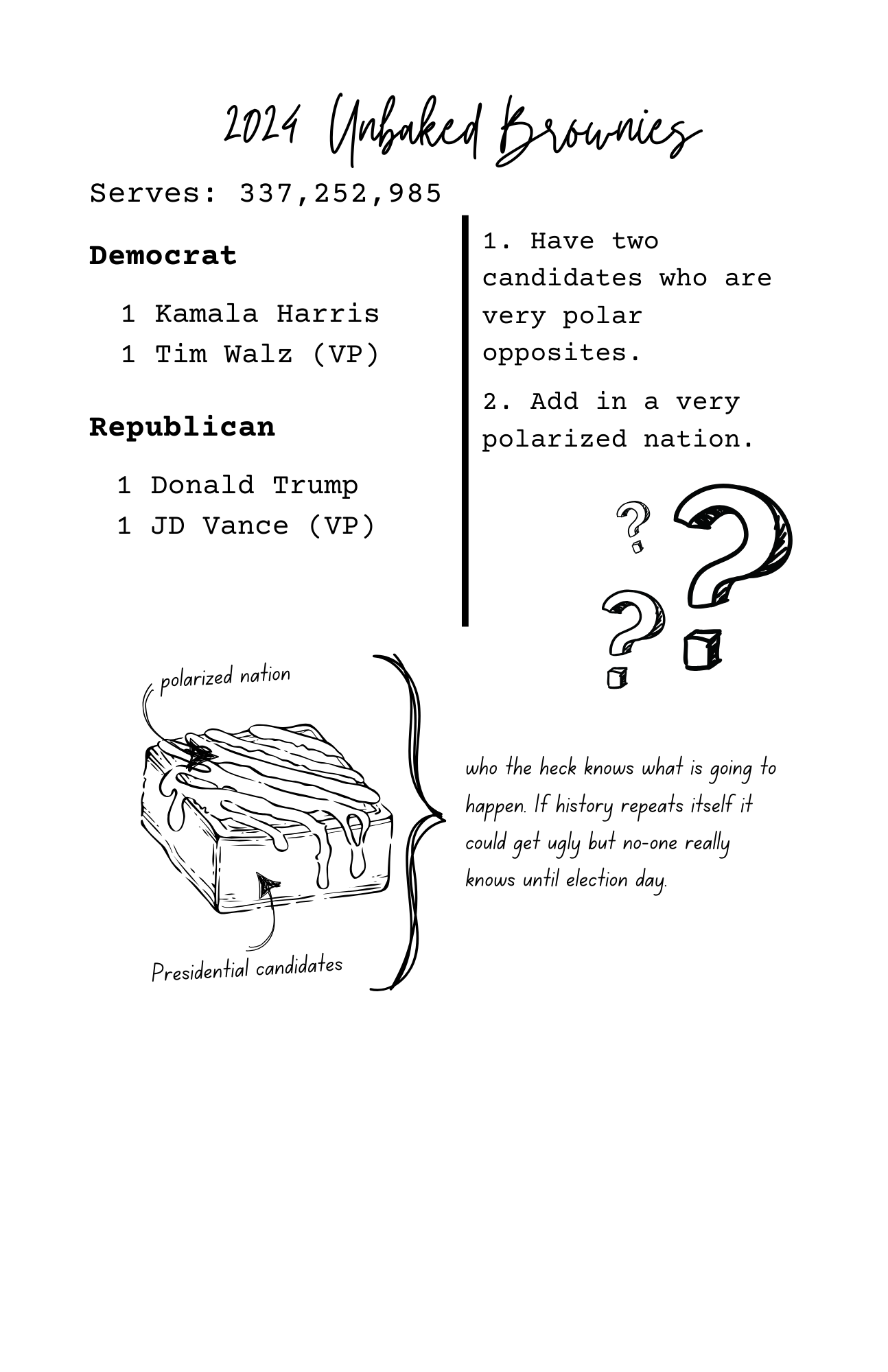
But what Trump didn’t realize when he made these comments in 2017 was that he would relate to the1824 election a lot more in 2020, especially when he accused the some votes as being corrupt. In the same vein, Andrew Jackson attributed his loss in the 1824 election to what he described as a “corrupt bargain”. This ‘corrupt bargain’ referred to how Henry Clay voted for John Quincy Adams for president when it was taken to the House of Representatives, and then Clay being appointed Adam’s Secretary of State after he became president . This idea of corruption is similar to what Trump claimed when he lost the 2020 election to Biden. Claims of voter fraud and election corruption became Trump’s mantra for the outcome of the 2020 election, and his platform for the 2024 election. 

During the Jackson’s next presidential election in 1828, he had a come back story for the ages after being successfully elected as president despite his loss four years prior. Now, after calling 2020’s election corrupt, will Trump have a similar comeback story to Jackson in the 2024 election?


Electoral College Reform

The Electoral College was designed to balance the influence of populous states with that of smaller ones in presidential elections, as well as to balance the interests of the Framers between limiting congressional influence in the executive branch without instituting directly elected presidents. However, its relevance and fairness have come under scrutiny, prompting calls for reform. Advocates argue that the system undermines the principle of one-person, one-vote, while opponents contend it protects the interests of smaller states.

There are several different reform proposals. The most direct way would be to amend the Constitution and replace the Electoral College with a national popular vote. However, amending the Constitution is a very difficult process with a really high threshold. In addition, the polarization of modern America makes it nearly if not impossible that enough of a coalition could form to amend the Constitution. Since its institution, there have been more than seven hundred proposed amendments to modify or abolish the Electoral College. That is the highest number of amendments proposed on any one subject of constitutional reform.

Another possibility would be legislation, at the national or state level, that requires states to allocate their electors in a more proportional manner—getting rid of the current winner-take-all system. Like Maine and Nebraska, the votes of all citizens of a state would count. Or, at least, less votes would be “wasted” than are now.

One of the most promising current reform plans is called the National Popular Vote Interstate Compact (NPVIC). The NPVIC is an agreement between states to award all of their electoral votes to the candidate who won the national popular vote, regardless of who won in their state. Seventeen states and the District of Columbia have currently joined, but the NPVIC will not go into effect until enough states have joined that would determine the results of the Electoral College—states adding up to 270 electoral votes. This seems the likeliest avenue for reform, but it is not without issues. Because it is a voluntary compact, the NPVIC is not legally binding. States can leave at any time, and they might choose to do so if the national popular vote selects a candidate that they do not want to support with their electors. It is also useless until enough states join that puts it into effect.

The Electoral College and Contested Elections

The Electoral College is a feature of the American political and electoral system, established in the Constitution as a compromise between direct popular voting and congressional selection of the president. Each state is allocated a number of electors equivalent to its representation in Congress, and these electors cast votes to determine the president. The method of choosing electors is left up to the individual states, and, with the exceptions of Maine and Nebraska, each state uses a winner-take-all system, where the winner of the statewide popular vote receives all of the state’s electoral votes. While intended to balance the influence of populous states with less populous ones, the system has led to significant controversies, especially during contested presidential elections, particularly when the Electoral College fails to select a president, and the election is thrown to the House of Representatives.

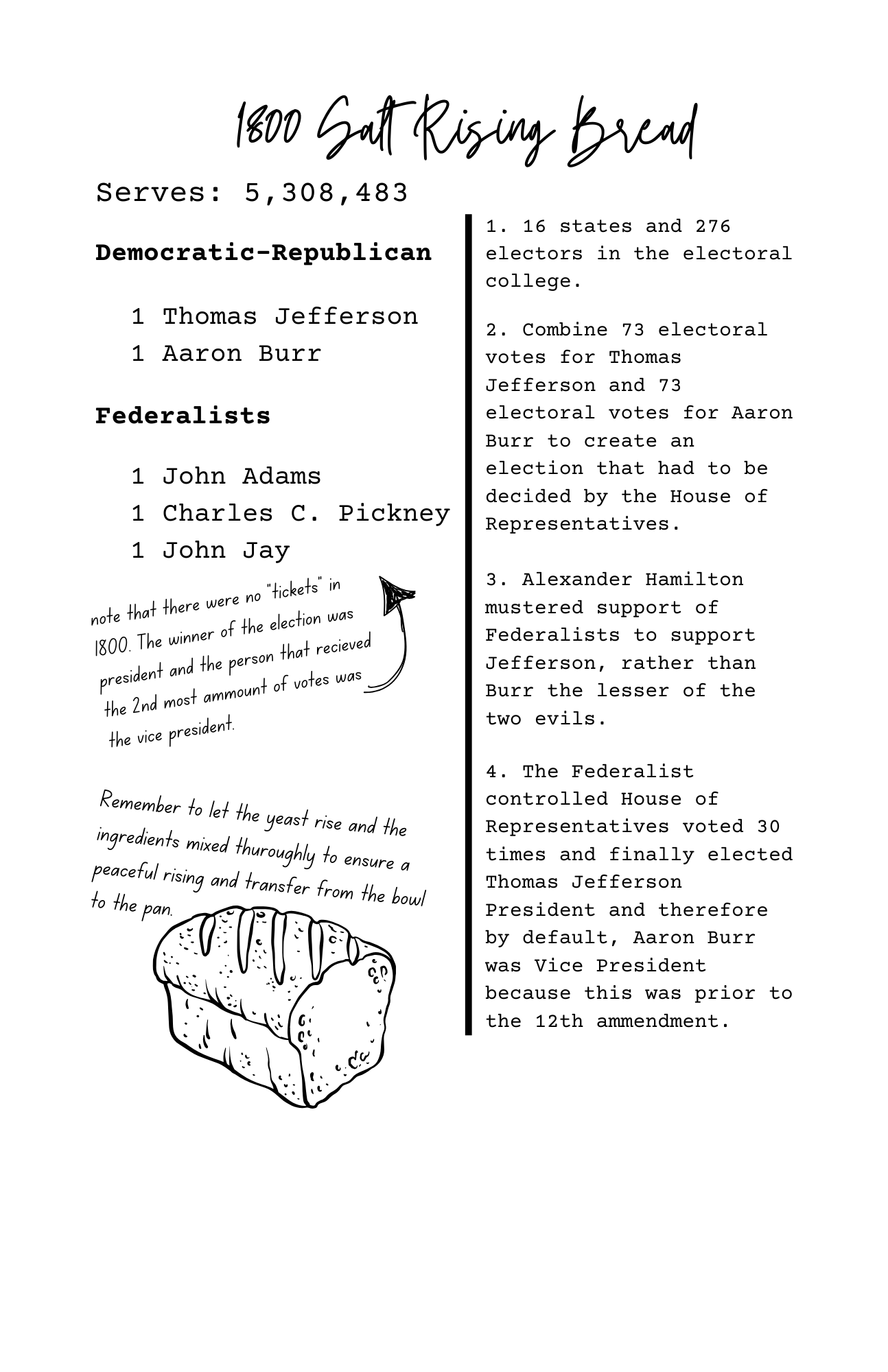
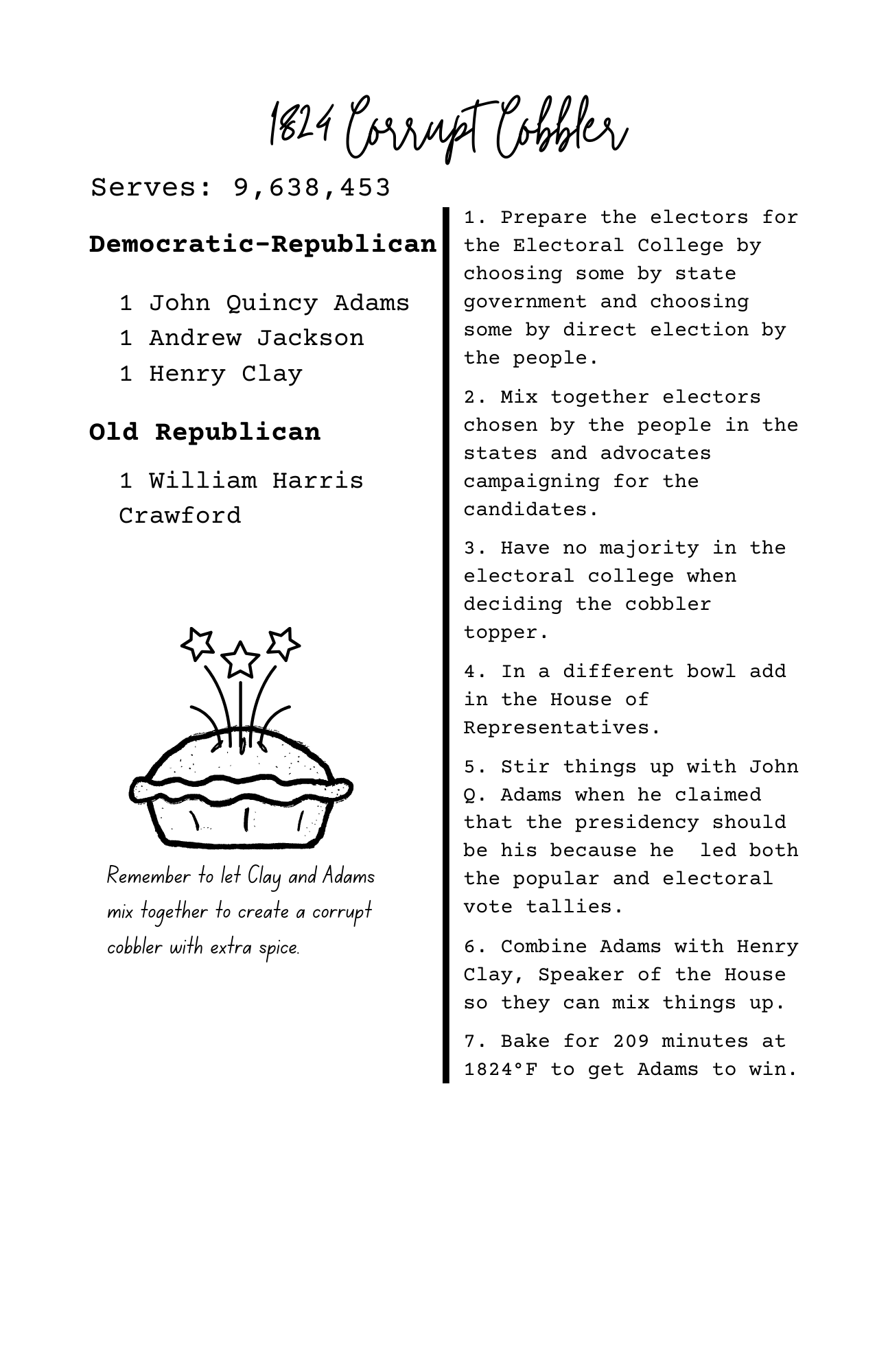
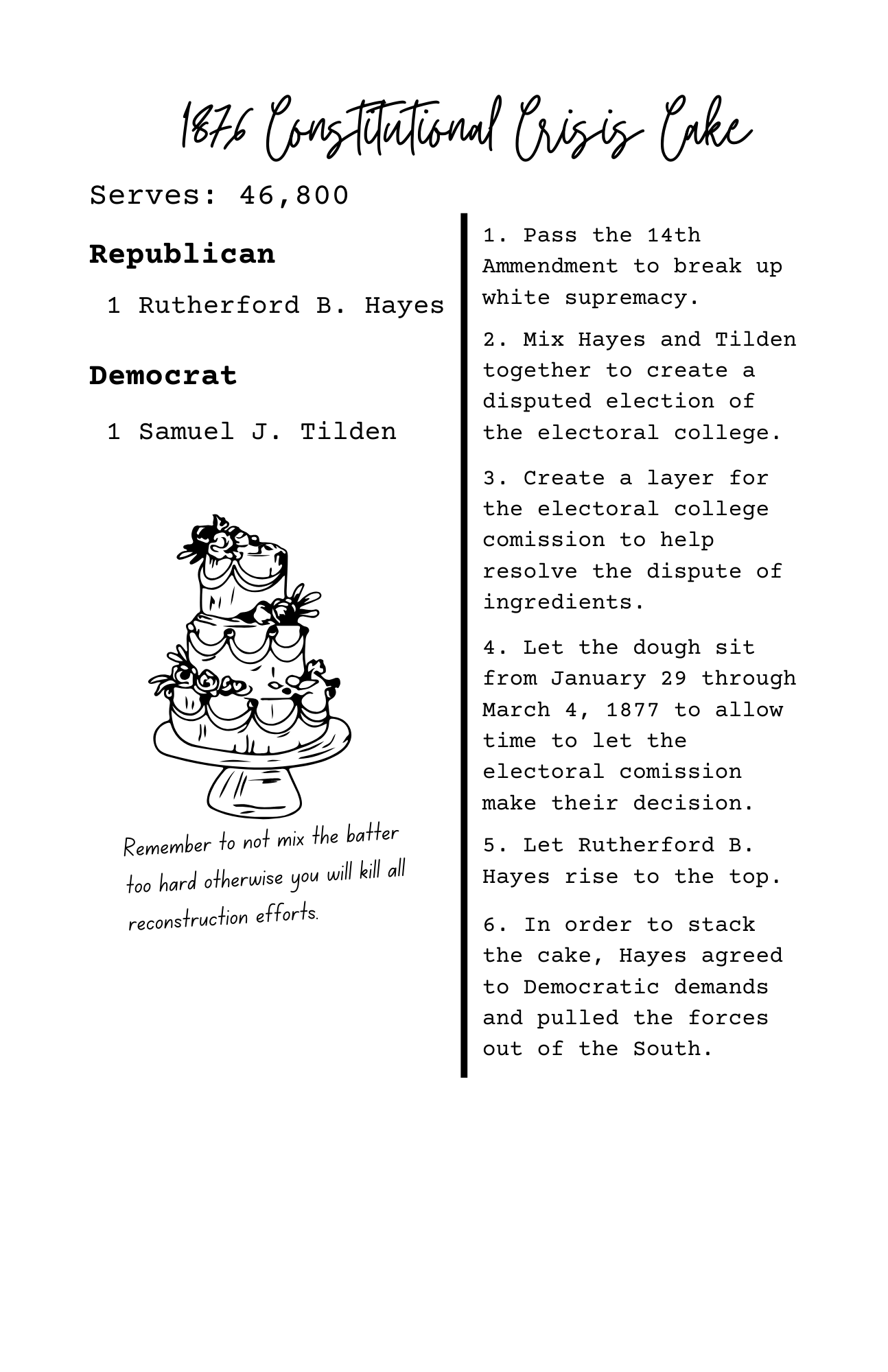
One of the most notable instances of this occurred in 1824 when none of the candidates received a majority of electoral votes. The election was decided by the House of Representatives, leading to accusations of a “corrupt bargain” between John Quincy Adams and Henry Clay. Similarly, in 1876, Rutherford B. Hayes lost the popular vote to Samuel J. Tilden but won the presidency through the highly disputed electoral count, culminating in a compromise that effectively ended Reconstruction.

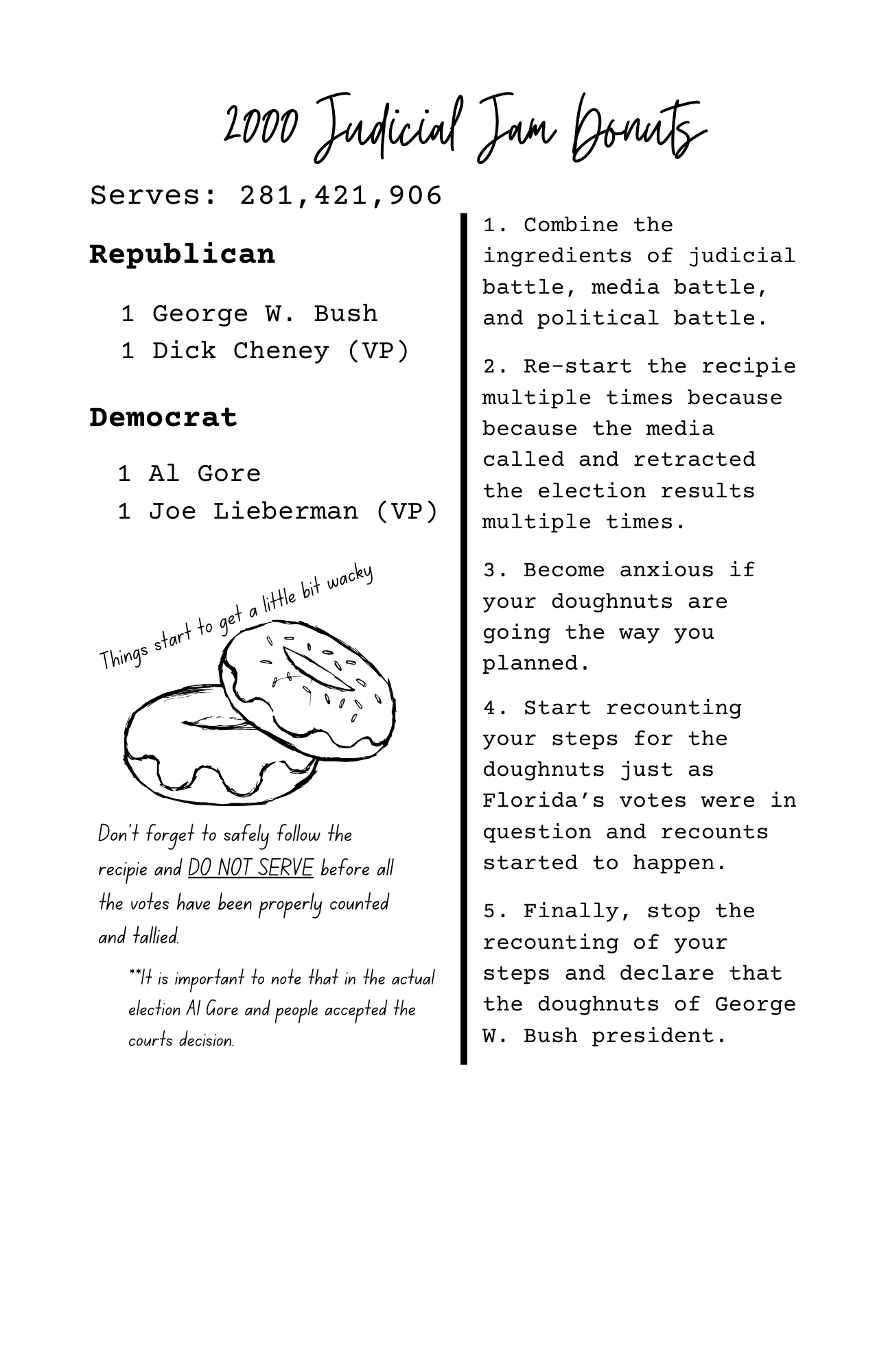
The most recent and perhaps the most influential example on modern politics came in the election of 2000. Vice President Al Gore won the popular vote but lost the presidency to Texas Governor George W. Bush after a highly controversial Supreme Court decision ended a recount and effectively awarded Florida’s crucial electoral votes to Bush, raising questions about political bias in the courts, voter disenfranchisement, and the legitimacy of presidential elections under the Electoral College.

In 2016, Donald Trump also secured the presidency despite losing the popular vote to Hillary Clinton. A candidate being elected president despite a majority of voters preferring his or her opponent is always controversial, but the polarizing effect of Donald Trump on the electorate created even more of a sense that his inauguration was an illegitimate reflection of the people’s will. This raised and intensified questions about the relevance and future of the Electoral College. Advocates for reform argue that the system is outdated and disproportionately amplifies the votes of certain states, while supporters contend it protects the interests of smaller states and less populated areas.

Sources

  • CNN, “Bush v. Gore: Too Close to Call,” (2015), https://youtu.be/wufOcpTH0HU?si=HJjcyBN26n9NmTMn
  • Jack N. Rakove, “Presidential Selection: Electoral Fallacies,” Political Science Quarterly 119, no. 1 (2004): 21–37, https://www.jstor.org/stable/20202303.
  • Margaret Hogan, “Corrupt Bargain,” The Miller Center at the University of Virginia, https://millercenter.org/contested-presidential-elections/corrupt-bargain
  • Shiela Blackford, “Disputed Election of 1876,” University of Virginia Miller Center, https://millercenter.org/the-presidency/educational-resources/disputed-election-1876

A Recipe for Disaster

Note: the following is a fictional recipe blog about living through January 6th, 2021, with a very real recipe at the bottom.


The first time I made this recipe was January 6th, 2021.

A boring day in frosty January, perfect for trying a new pasta recipe. The certification of electoral votes was set to happen today — my history teacher had made a point of mentioning it — but it was one of those government processes designed to be dull. Important, sure, but not exactly riveting.

Deep in the era of Zoom school, my last class of the day had been canceled, and I only had a few minutes of so-called independent work time left before I was free. On the counter behind me, my computer was filled with black squares; even the teacher had turned her camera off.

I waited until I could feel heat radiating from the large saucepan I’d placed on the stove to add strips of bacon, each one sizzling as soon as it hit the pan. My phone dinged; always wash your hands after handling raw meat.

Hands clean, bacon cooking, now is the time to cut up your tomatoes and garlic. I prefer grape tomatoes, but whatever variety you have lying around works just fine. But my phone dinged again, and again, so I put down the knife.

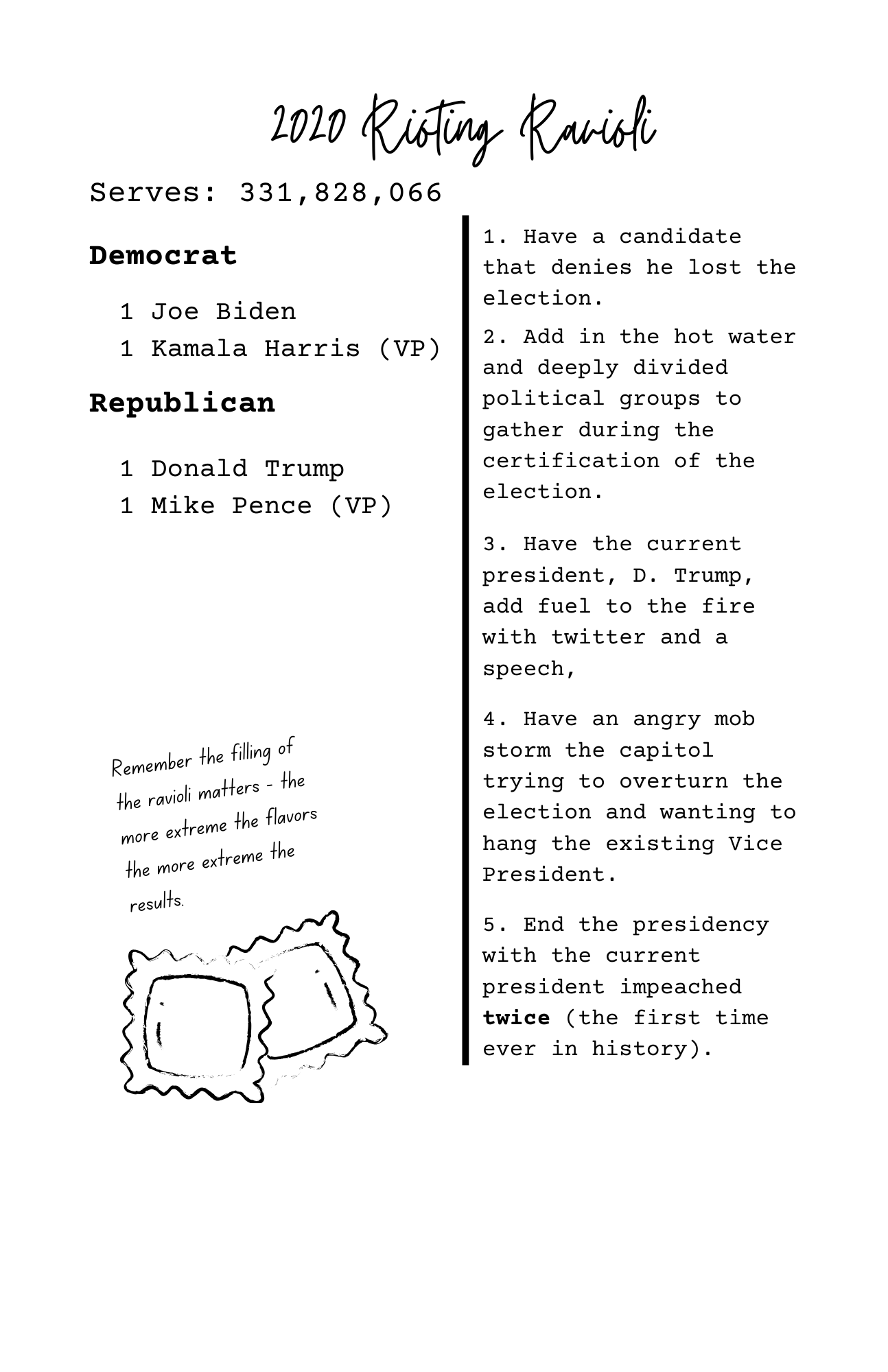
Trump supporters are rioting at the US Capitol.

And here I thought electoral certification was supposed to be boring. I scrolled back through the news alerts from that morning: Donald Trump giving a speech at the Ellipse, Republicans chanting stop the steal, Proud Boys and Oath Keepers marching to the Capitol to — to what? What could they possibly be doing?

I pondered the question as I chopped the tomatoes into fine pieces. The goal of a riot sparked by the losing candidate over the certification of votes is not merely to challenge the results of an election — it’s to assume that an election is fraudulent and thus to assert violence as the solution.

The Brooks Brothers Riot in 2000, where rioters sought to stop the counting of votes in Florida, is often used in comparison to what unfolded on January 6th. No one had yet been certified as a winner, but that didn’t stop Bush’s supporters from feeling as if they were already victorious. The rioters were determined to stop the recount in Miami-Dade County because they believed Al Gore would steal the presidency away from their candidate. And now, on January 6th, despite overwhelming evidence that the election was legitimate, Trump’s supporters invaded the Capitol hoping to prove that they hadn’t lost — and if they couldn’t prove it, ready to steal the election instead.

Later, it would come out that Roger Stone, who had stoked and managed the Brooks Brothers Riot, had taken a picture with the Oath Keepers just hours before they stormed the capitol. Later, it would come out that January 6th was not as spontaneous as it appeared. Later, just minutes later, the rioters would break through the defenses of the Capitol Police and enter the building.

My Zoom class ended with a sad little ding, I flipped the bacon over in the pan, started a pot of water boiling on the stove, and then I turned on the news.

Nothing but the smell of bacon in the pan seemed real, at first. There were white supremacists at the US Capitol — people were smashing windows and attacking police — a gallows had been constructed outside and the insurrectionists were calling for Mike Pence’s head.

Violence over an election is not a wholly new concept in the US. The election of 1876 in Southern states was marked by violence as a tool for voter suppression, wherein Southern Democrats kept newly enfranchised Black voters from participating or running for office through unfettered violence. The anger over Reconstruction and Republican governments holding power in the South following the Civil War had simmered until it burned.

When the bacon is finished, remove it from the pan with a slotted spoon. Make sure to reserve the leftover fat; the rest of the sauce will be cooked in it. January 6th did not appear out of nowhere. It was cooked in the grease left behind from centuries of white supremacy and fears of election fraud hand-fed by the Republicans backing Donald Trump.

Once your water has come to a boil, add pasta of your choice; I chose penne because it holds the sauce well. Melt two tablespoons of butter in the leftover bacon grease, then add chopped tomatoes and chopped or minced garlic. Measure the amount of garlic you want in this recipe with your heart. I dislike chunks of tomatoes, so I mash the tomatoes in the pan as they cook. Let the tomatoes cook until some of the juice has evaporated, stirring occasionally, for about five minutes.

In those five or so minutes, the situation at the Capitol eroded even further. The rioters broke through the police barricades and forced their way inside. Videos emerged, posted by the insurrectionists who were proud of what they were doing, showing them forcing their way into offices of politicians, Democrat and Republican alike. Videos of them inside the chamber where Mike Pence had been in the process of counting the electoral votes from each state. Footage from news outlets of the crowd outside, swarming with Confederate flags. The news anchors, giving live updates every few seconds, while texts dinged my phone again and again, from friends asking Is this really happening? Are you watching this?

Of course I was watching it, but I was also cooking. Once some of the tomato juice has evaporated, add three tablespoons of flour. I wasn’t precisely measuring — glued to the footage playing out on my computer screen — and once added, I mixed the flour in to create a thick orange paste.

There were numerous points on January 6th where the resulting violence could’ve been stopped before it ever happened. One reason why January 6th was a flashpoint is because the white Republican rioters didn’t just feel cheated or hopeless — they felt empowered to act. They knew, like the southern Democrats who used violence to stop Black people from voting, that if they could get their candidate in power, he would protect and celebrate them.

Don’t leave the paste to cook too long — don’t, for instance, wait hours until the rioters have mostly been repelled or arrested to finally comment on the violence. After a minute or so, condemn the orange paste to being thinned with milk. Add the milk in one half cup at a time, stirring to ensure it’s fully incorporated.

Once all of the milk has been added, bring the mixture to a boil, then lower the heat and let it simmer until the sauce has thickened enough to coat the back of the spoon, about five more minutes. The first time I made this recipe, I didn’t believe it would thicken, that all the ingredients would coalesce into one dangerously delicious sauce.

I didn’t believe that a source loss would lead to bitter violence, either. Because for all of the trends we’ve seen in American political history surrounding contested presidential elections, trends of voter suppression, electoral chaos, fears over the legitimacy of elections, and white supremacy, not even in the Civil War did Confederate flags attack the US Capitol. As much as January 6th was the product of decades of extreme polarization and trends of doubt repeated in previous elections, it was also unprecedented.

Integral to the continuance of a democracy is that the losing candidate accepts their loss, something Donald Trump and his allies still refuse to do. Every contested presidential election prior to 2020 ended with a peaceful — albeit bitter — transfer of power.

Now that my sauce had thickened, I couldn’t ignore the final integral steps of the recipe. I crumbled the bacon back into the sauce, chopped up a few basil leaves, and gave the whole thing a final stir. I tasted to see if it needed more salt, then switched off the stove. I transferred the cooked, buttery pasta into my new bacon-y creation. Only one noodle missed the edge of the pan.

I sat down at the dining table with my lunch and my computer, seeking solace in the sauce. It was so good, I couldn’t resist a second portion.

Recipe for a Contested Presidential Election

Ingredients:

  • Loss of faith and doubt in the validity of the election
  • Electoral college confusion
  • Balloting issues
  • Voter suppression
  • Governmental interference
  • White supremacy

Directions:

  1. For best results, ensure voters doubt the validity of the election before election day.
    1. If you can’t use home-grown doubt, manufactured by the candidate is fine.
  2. Add confusion over how the electoral system works.
  3. Season with government interference (the courts, Congress, or an electoral commission) to simmer election distrust on medium heat.
  4. Fold in voter suppression using disenfranchisement, confusing ballots, and voter intimidation (if desired)
  5. Bring mixture to a boil by adding white supremacy.
  6. Heat until desired outcome is achieved or chef is stopped.
    1. If seeking a violent result, a peaceful transfer of power may be left out.
    2. If seeking a peaceful result, the loser must admit they lost.
  7. Do not enjoy.

Bacon & Tomato Cream Pasta

Ingredients:

  • ½ to 1 pound of bacon
  • 2 tbsp butter
  • 1 ½ cups tomatoes
  • 3-6 cloves garlic
  • 3 tbsp flour
  • 1 ½ cups milk
  • Chopped basil
  • Salt to taste
  • Penne pasta

Directions:

  1. Start with a large saucepan over medium heat. Cook bacon until crispy. Leave leftover bacon fat in the pan.
  2. While the bacon cooks, chop tomatoes and garlic. Measure the garlic with your heart.
  3. Melt butter in leftover bacon grease.
  4. Add tomatoes and garlic. Cook, stirring occasionally, until some of the juice has evaporated (about 5 minutes).
    1. If you don’t like chunks of tomato, mash tomatoes while they cook.
  5. Add flour. The mixture should turn into a thick orange paste. Cook for one minute, then stir in milk ½ cup at a time. Make sure to fully incorporate paste into milk. The sauce should now be runny.
  6. Bring sauce to a boil, then lower to medium heat, stirring occasionally until the sauce thickens enough to coat the back of the spoon. This should take about five minutes, but you can cook it longer if you want it to be thicker.
  7. Crumble bacon into sauce. Wait to add salt until you’ve added the bacon back into the sauce.
  8. Add as much chopped basil as you want, then serve over penne or pasta of your choice. Enjoy!

Newer posts »
css.php
The views and opinions expressed on individual web pages are strictly those of their authors and are not official statements of Grinnell College. Copyright Statement.