
The sentiment that your vote doesn’t count has long been building in the United States of America. This type of thinking is especially dangerous in a democracy when it’s been proven that one vote can be the difference between victory and defeat. This reason alone might not be enough to convince someone to vote, so hopefully the issue of autonomy can convince them. In the past, marginalized groups in this country didn’t even have the chance to vote and were actively prevented from it. To disregard your own privilege in the current day is a disservice to everyone who fought for the right to vote. In the Elections of 1860 and 1876, it was evident that this country wasn’t ready for African Americans to be near society, let alone part of the voting block.
A modern day misconception of the Election of 1860 is that Abraham Lincoln was a staunch anti-slavery candidate. However, this was not the case; he merely opposed the expansion of slavery into newly admitted states. This small threat to the institution of slavery showed how important the suppression of black rights was to southern people. The only time Southerners showed concern for black voting rights was when they were determining how much their population should count toward representation in the House of Representatives. The South seceded from the Union because of the slight threat that they found to their own voting power.
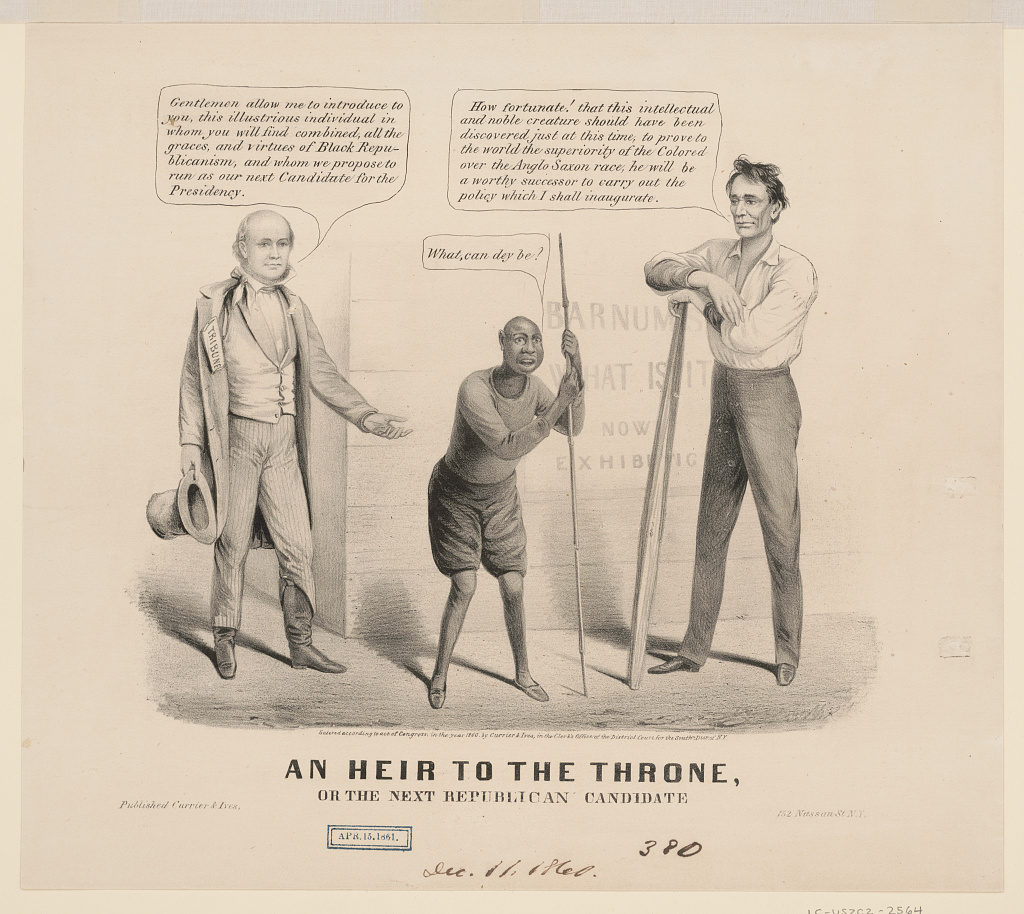
Published by Currier & Ives, c1860.
Their perceptions of how extreme and radical the other side were is evident in cartoons like this. They attempted to paint the Republican party as completely anti-slavery and extremely sympathetic to blacks which simply wasn’t the case. Anything besides the enslavement of black people in this country was unacceptable to the white population. These viewpoints were carried on into the Civil War and throughout Reconstruction. The Election of 1876 was another controversy that proved the nation was not ready for egalitarian voting. As the black population became involved in voting and even getting to some public offices, there was disproportionate blowback soon after the Civil War. Autonomy for blacks wasn’t as important to Rutherford B. Hayes as securing his election victory. Even though the 13th, 14th and 15th Amendments were passed in the previous decade, the Ku Klux Klan and many others committed horrible violence to keep the newly enfranchised blacks out. This didn’t completely prevent their involvement in politics because many were willing to fight for their constitutional right. The election of Hayes, however, was the nail in the coffin for this population and their autonomy wasn’t fully realized until around a century later.
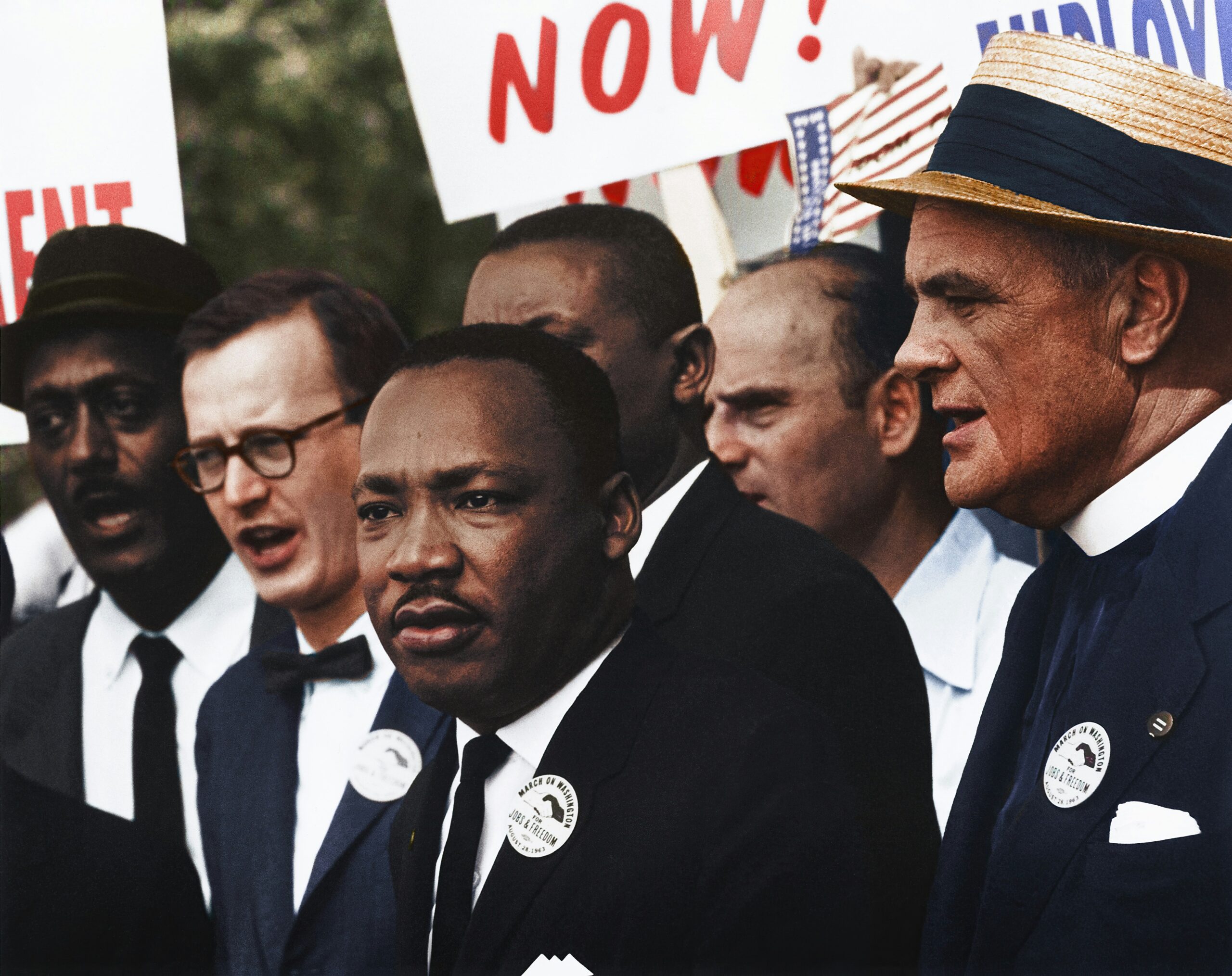
Dr. Martin Luther King, Jr. by Rowland Scherman and Jordan J. Lloyd.
The fact that many had to fight their whole lives to attempt to overcome adversity to even get the legal right to vote should inspire you to cast your ballot without hardship.

Leave a Reply
You must be logged in to post a comment.